On this page
Thousands of Norwalk residents ride Metro-North to Stamford or New York City every workday, yet still rely on a car for station trips, family errands, and weekend plans. This guide covers how Norwalk CT rail commuters can align their auto insurance with reduced weekday mileage without leaving gaps that matter when a claim happens.
Key Takeaways
-
Connecticut requires minimum liability coverage of 25/50/25 (or a $50,000 combined single limit) plus uninsured/underinsured motorist coverage of at least 25/50. Collision and comprehensive are optional by law but often required by lenders or leasing companies.
-
Your actual annual mileage, where the car is garaged overnight versus parked during the day at South Norwalk or East Norwalk station lots, and which licensed household members drive the vehicle all influence your rates and coverage needs.
-
Even low-mileage commuters face real risks: parking-lot damage, coastal storms, weekend highway travel on I-95 and Route 7, and weather events that can affect any vehicle sitting in a flood-prone area.
-
Drivers Insurance Agency, Inc., operating ConnecticutAutoInsurance.com, compares participating insurers to help Norwalk commuters match coverage to their current commute patterns. There is no guaranteed rate, savings, or acceptance.
-
Call (844) 399-1313 or visit /quote/ for a nonbinding quote checklist and personalized review.
Norwalk, CT Commuter Lifestyle and Why Auto Insurance Still Matters
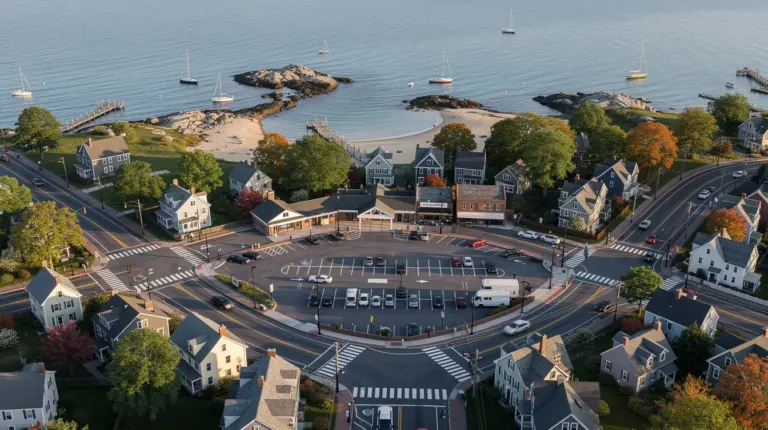
Norwalk commuters can use Metro-North stations such as South Norwalk and East Norwalk for travel toward Stamford and New York City. A short drive to the station still counts toward annual vehicle mileage.
A typical pattern looks like this: a resident living near Cranbury or Rowayton drives three to six miles to South Norwalk station, parks in the commuter garage, rides the train during the week, then uses the car heavily on evenings and weekends – Calf Pasture Beach, Stew Leonard’s, youth sports in Wilton, Merritt Parkway access, or a run up Route 7 toward Danbury.
Even with fewer weekday miles, the risks that drive auto insurance claims haven’t disappeared. Station parking garages see door dings and hit-and-runs. Coastal neighborhoods near East Norwalk sit in low-lying areas vulnerable to nor’easters and flooding. Weekend trips on I-95 put you in some of the densest traffic corridors in the Northeast. Norwalk’s blend of tight urban streets around Sono, coastal zones, and busy arterials means solid liability and physical-damage protection remains essential for residents who work remotely part of the week but still own a car.
Connecticut Auto Insurance Basics for Norwalk Drivers
Connecticut sets minimum liability and uninsured/underinsured motorist requirements that every registered vehicle must meet. The CT Insurance Department’s consumer information site outlines the following:
-
Bodily injury liability: $25,000 per person / $50,000 per accident
-
Property damage liability: $25,000 per accident
-
Or a $50,000 combined single limit (CSL) covering both
-
UM/UIM: at least $25,000 per person / $50,000 per accident
To legally drive in Connecticut, your policy must meet these minimum liability limits. Collision coverage pays when your car hits another vehicle or object – backing into a pole in the East Norwalk lot, for example. Comprehensive covers non-collision losses like theft near a station lot, storm damage, or vandalism. Neither is required by CT law, but financial advisors usually recommend higher limits or full coverage for financed vehicles, and most lenders mandate both until the loan is paid off.
Premiums vary by driver, vehicle, coverage and insurer. Ask about available low-mileage and driver-training discounts. Connecticut’s required accident-prevention-course discount applies to qualifying drivers age 60 and older; younger drivers should ask about insurer-specific programs.
All licensed household members with access to a vehicle generally must be listed on the policy. Visit /minimum-car-insurance/ to learn more about statewide coverage basics.
Rail Commuters, Mileage, and Rating in Norwalk
Many Norwalk CT rail commuters now drive less due to remote or hybrid work, but insurers still need accurate mileage information. Usage is typically classified as pleasure, commuting, or business, and your annual mileage estimate directly affects how your policy is rated.
Labeled hypothetical – estimating annual mileage:
Alex lives near West Rocks Road, about four miles from South Norwalk station. Alex drives to the station three days per week (8 miles round-trip × 3 = 24 miles/week of commuting). Weekend errands and family trips add roughly 60 miles per week. A few monthly drives to Danbury or Stamford contribute about 160 miles per month. Annual estimate: commuting ≈ 1,200 miles; weekends/errands ≈ 3,120; occasional trips ≈ 1,920 – total around 6,200 miles. This places Alex well below the national average of 12,000–15,000 miles, which can influence rating.
Do not understate mileage. Misrepresenting usage can create claim disputes or even lead to policy cancellation. Instead, provide honest figures and review them at each renewal, especially if work patterns shift – more office days, full remote, or a job change to Hartford or another city.
Even at low mileage, keeping comprehensive and collision makes sense when you park in busy transit lots, live near the coast, or face seasonal storm risk from falling branches and flooding.
Home Garaging vs. Station Parking in Norwalk
Report where the vehicle is primarily kept overnight and describe regular daytime parking and use. Insurers use the garaging location along with other permitted rating factors.
That said, daytime parking exposure still matters practically:
-
A parked vehicle can be damaged by another driver in a station lot or garage.
-
Vandalism or break-ins can occur near Washington Street and Sono, especially in poorly lit areas.
-
Flooding or storm damage threatens vehicles parked in coastal or low-lying East Norwalk zones.
What to tell your agent:
-
Exact home address for overnight garaging (street, driveway, or enclosed garage)
-
Where the car parks during the day (South Norwalk station garage, East Norwalk surface lot, office lot)
-
Whether your home is in a flood zone or coastal area
This information helps the insurer and your agent accurately describe usage and risk based on your actual situation.
Weekend Family Driving and Liability Limits
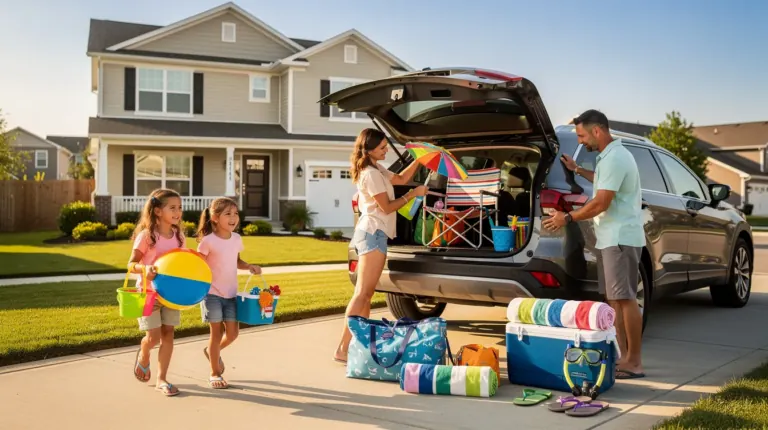
While weekday commuting miles may drop for rail commuters, weekend family driving around Norwalk and Fairfield County often stays the same or increases. Think about the trips you actually make: Calf Pasture Beach on Saturdays, youth sports in Norwalk and Wilton, grocery runs to Stew Leonard’s, highway drives on I-95 to visit family in Bridgeport or New Haven, or seasonal drives up Route 7 toward Danbury and the Litchfield Hills.
Consider liability options such as 100/300/100 or 250/500/100 alongside the legal minimums. The appropriate limits depend on your circumstances and budget. Ask about umbrella eligibility and its underlying insurance requirements if you want additional liability protection.
Multi-policy discounts may be available when combining eligible policies. Compare the combined cost and coverage rather than assuming a particular savings percentage.
Collision, Comprehensive, and Deductibles for Low-Mileage Norwalk Cars
Low-mileage cars can still suffer theft, storm or parking damage. Comprehensive auto coverage generally covers flood damage, subject to the policy and deductible; liability-only insurance does not cover damage to your own car. Standard total-loss settlements generally use actual cash value, not replacement cost, unless a specific endorsement applies.
Collision covers damage from hitting another vehicle or object – backing into a car in the East Norwalk lot, for instance. Comprehensive covers storms, theft, fire, falling branches, and vandalism – a nor’easter blowing debris onto your car parked at home in a coastal neighborhood.
Raising your collision and comprehensive deductibles can lower your monthly premium, but it means more out-of-pocket when a claim happens. Here’s how two Norwalk commuters might approach deductibles differently:
|
Commuter A |
Commuter B |
|
|---|---|---|
|
Vehicle |
2010 sedan, nearly paid off |
2023 crossover, financed |
|
Overnight parking |
Private driveway |
Street parking |
|
Annual miles |
~6,000 |
~6,000 |
|
Deductible choice |
$1,000 (lower premium, car value modest) |
$500 (lender requires coverage, newer vehicle) |
|
Rationale |
Vehicle value may not justify low deductible |
Higher vehicle value and loan obligation warrant lower deductible |
Coastal properties often have higher wind and storm surge exposure, which makes comprehensive especially relevant. Don’t drop coverage solely because you drive less – review car value, parking risk, and savings with an agent instead.
Household Drivers, Teens, and Norwalk Car Sharing
Connecticut insurers generally require disclosure of all licensed household members with access to the insured vehicle. Failing to list a driver who regularly uses the car can lead to claim denials or policy cancellation.
Common Norwalk scenarios include:
-
Spouses sharing one vehicle for station commuting and weekend errands
-
College students home during breaks using the family car around Norwalk
-
Newly licensed teens driving to Norwalk High, part-time jobs, or practice
Disclose all household drivers and regular vehicle use. Ask the insurer how each person must be listed and rated; do not assume a household driver is excluded or covered without checking the policy.
Changed Commute Patterns and Mid-Term Policy Reviews
Norwalk commuting patterns have shifted since widespread remote work earned a permanent place in many industries. Insurers expect policyholders to update commute and garaging information when patterns change materially.
Common triggers for a review:
-
Switching from driving to Stamford daily to taking the train from South Norwalk two days a week
-
Moving within Norwalk (e.g., Rowayton to Cranbury) or to a nearby city
-
Changing jobs from New York City to Hartford, or going fully remote
A mid-term policy review with Drivers Insurance Agency, Inc. can ensure your coverage and rating reflect the new pattern – commuting class, annual mileage, garaging ZIP code. Never backdate or misrepresent usage; updates apply going forward from the effective date approved by the insurer. Calendar a quick check-in before each renewal or after major life changes by visiting /quote/ or calling (844) 399-1313.
Norwalk CT Claim Scenarios and Using Local Resources
Knowing what to do after an accident or loss in Norwalk can speed up claims and reduce stress. Here are realistic scenarios and what to do:
-
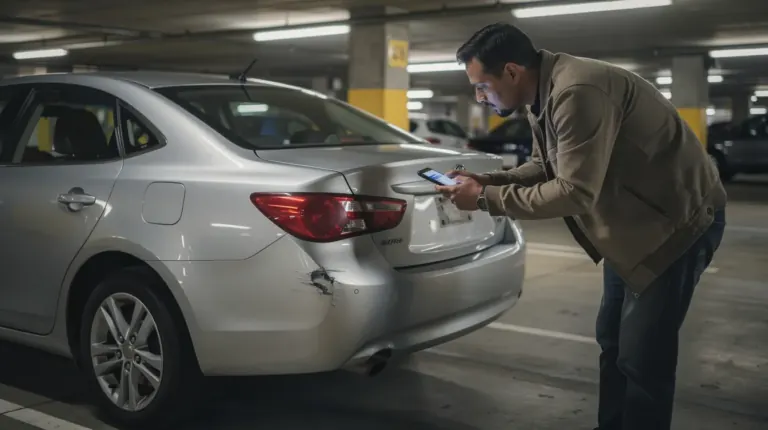
Fender-bender in the South Norwalk station garage during morning rush – move to a safe spot if possible, exchange information, photograph all damage and license plates.
-
Side-swipe on I-95 near Exit 14 in wet weather – pull safely to the shoulder, call 911 if injuries are involved, document the scene.
-
Tree limb damage from a coastal storm in East Norwalk – photograph before cleanup, contact your insurer for a comprehensive claim.
-
Vandalism or break-in in a downtown Sono parking area – file a report with Norwalk Police and notify your insurer immediately.
Step-by-step: Ensure safety first. Call 911 if anyone is hurt. Exchange names, insurance information, and contact details. Take photos of vehicles, surroundings, and any witnesses. Notify your insurer or Drivers Insurance Agency, Inc. as soon as reasonably possible.
For documentation, use these local resources:
-
Norwalk Police Records Unit – for obtaining accident or incident reports. Follow current instructions on their site for email, phone contact, and posted hours or holiday closures.
-
Norwalk Fire Department – for fire or major incident reports and investigation information that can support comprehensive claims.
Insurers – not the city – decide coverage outcomes, but accurate, timely documentation from Norwalk authorities helps the process move forward.
SR-22, DMV Compliance, and Continuous Coverage in Connecticut
Connecticut requires continuous insurance on registered vehicles. Follow the actual deadline and instructions on any DMV compliance notice; do not assume a 14-day grace period. A lapse can lead to a $200 civil penalty and registration consequences.
SR-22 or similar financial-responsibility filings, if required, are ordered by the Connecticut DMV, a court, or another requesting state on a case-by-case basis. There is no universal rule that every DUI or violation automatically triggers an SR-22 – check your specific notice or court order. For more detail, visit /sr22-insurance/.
Never drop insurance on a registered car, even if you only drive it to the station or on weekends. Non-owner insurance (see /non-owner-insurance/) is generally for people who do not own a car and do not have regular access to a household vehicle – it is not designed for Norwalk commuters who keep a registered car.
Getting a Norwalk Auto Insurance Quote with the Same-Limits Checklist
ConnecticutAutoInsurance.com, operated by Drivers Insurance Agency, Inc., compares participating insurers. Request matching limits and deductibles so differences in coverage do not distort the price comparison.
Quotes requested via /quote/ or by calling (844) 399-1313 are nonbinding until the insurer approves the application and confirms the effective date.
Same-limit quote checklist:
-
Liability limits (e.g., 100/300/100 vs. 25/50/25 or $50,000 CSL)
-
UM/UIM limits matching or close to your liability limits
-
Collision and comprehensive included or excluded, with exact deductibles
-
Medical payments or optional coverages (rental reimbursement, roadside assistance)
-
All household drivers listed accurately with their use and annual mileage
-
Vehicle garaging address in Norwalk CT and primary parking/commute description
Use the same coverage limits and deductibles across quotes to compare prices. Ask whether any multi-policy discount applies and compare the total cost of the policies.
Helpful Norwalk and Connecticut Auto Insurance Resources
-
CT Insurance Department – Auto Insurance Consumer Information: Official guidance on required coverages, consumer rights, and discount programs.
-
CT DMV – Insurance Compliance Issues: Handling lapse notices, fines, and proof-of-insurance requirements.
-
Norwalk Police Records Unit: Obtaining police reports after accidents or thefts; follow current posted instructions for contact and hours.
-
Norwalk Fire Department: Fire or major incident reporting and investigation information.
-
CT DMV Locations & Office Hours: Scheduling licensing or registration appointments after moves or vehicle changes.
On-site resources at ConnecticutAutoInsurance.com:
-
/minimum-car-insurance/ – statewide minimum coverage overview
-
/cheap-car-insurance/ – cost-conscious shopping tips
-
/sr22-insurance/ – financial-responsibility filings when required
-
/stamford-auto-insurance/, /bridgeport-auto-insurance/, and /danbury-auto-insurance/ – nearby city-specific guides
Frequently Asked Questions About Norwalk CT Auto Insurance for Commuters
These FAQs answer common Norwalk-specific commuter questions not fully covered above.
Do I still need full coverage if I only drive to the South Norwalk or East Norwalk train station?
“Full coverage” usually refers to collision and comprehensive alongside required liability and UM/UIM coverage, but it is not a standardized policy. Damage can occur while a car is parked as well as on the road. Check your lender’s requirements before changing physical-damage coverage.
Before making changes, review the car’s current value, your loan status, and where the vehicle sits during the day. Never cancel all coverage on a registered vehicle. Instead, consult with Drivers Insurance Agency, Inc. to see whether adjusting deductibles or limits better fits your situation.
What if I sometimes work from home and sometimes drive instead of taking the train?
Insurers understand hybrid patterns and typically rate based on predominant use. Describe an honest average week to your agent – for example, three days on the train and two days driving to Stamford. Small fluctuations are normal and get handled at renewal; major shifts (like moving from fully remote to five days of in-office driving) warrant a quick policy update.
Keep simple notes on changing patterns and bring them to a review call so mileage and usage are described clearly on applications.
How does parking in Norwalk station lots affect my risk compared with parking at home?
Station lots and garages can expose a vehicle to parking collisions, vandalism and theft. Tell your insurer about the overnight garaging address and regular daytime parking and use.
Use practical security measures – lock doors, avoid leaving valuables visible, and follow lot rules. If an incident happens, know how to contact Norwalk Police or station authorities promptly.
What should I do if I’m in a minor fender-bender near South Norwalk or East Norwalk station?
Move to a safe area if possible, check for injuries, and call 911 if needed. Otherwise, contact Norwalk Police for guidance on whether a formal report is recommended. Take photos of all vehicles, license plates, and surroundings. Gather names, insurance details, and contact information from other drivers and any witnesses.
Contact your insurance company or Drivers Insurance Agency, Inc. as soon as reasonably possible. The insurer will advise whether a Norwalk Police report is needed to proceed with the claim.
Can I get non-owner insurance if I keep a car in Norwalk but use it rarely?
Non-owner policies are generally for people who do not own a car and do not have regular access to one. They are not designed for registered car owners who simply drive infrequently. Connecticut requires continuous coverage on registered vehicles, and dropping insurance on a registered Norwalk car can trigger DMV penalties and registration suspension.
If you use your car only occasionally, talk with an agent about rating the vehicle for pleasure or limited commuting use, adjusting deductibles, or revisiting coverage levels – all while staying compliant with CT law.