Finding the right auto insurance in Ansonia doesn’t have to feel overwhelming. This guide breaks down what Connecticut law requires, what’s optional, and how local driving patterns shape the coverage decisions Ansonia families actually face every day.
Key Takeaways
-
Connecticut law requires every registered vehicle to carry minimum liability of 25/50/25 (or a $50,000 combined single limit) plus uninsured/underinsured motorist bodily injury coverage of at least 25/50. Collision and comprehensive are optional by law but often required by lenders on financed or leased vehicles.
-
All quotes from ConnecticutAutoInsurance.com, operated by Drivers Insurance Agency, Inc., are nonbinding estimates. Coverage does not begin until an insurer formally approves your application and sets an effective date-there are no guaranteed rates or automatic grace periods.
-
Ansonia drivers commuting along Route 8 to Derby, Shelton, and Waterbury should consider whether state minimums provide enough protection given highway exposure and rising medical costs.
-
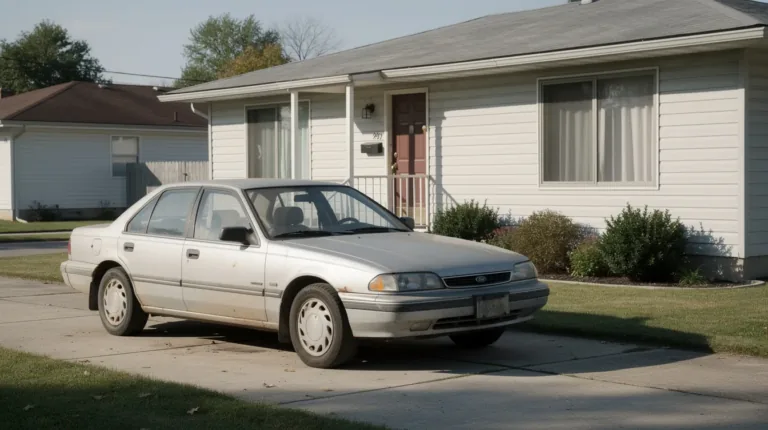
If you drive an older, paid-off car, the decision to keep or drop collision and comprehensive depends on your vehicle’s value, your deductible, and whether you can afford a replacement out of pocket.
-
Non-owner policies exist for people who don’t own a vehicle and lack regular access to a household car. If you live in an Ansonia home and routinely drive the family car, a non-owner policy generally won’t apply to you.
Ready to explore your options? Call (844) 399-1313 or start a quote online today.

How Auto Insurance Works in Ansonia, Connecticut
Personal auto insurance in Ansonia is governed by Connecticut state law, but policies are issued by private insurers participating with Drivers Insurance Agency, Inc. at ConnecticutAutoInsurance.com. Auto insurance is a contract between you and an insurance company: you pay premiums, and the insurer agrees to help pay for covered injuries, property damage, and-depending on your coverage-damage to your own vehicle after a covered accident, theft, or other event.
For Ansonia residents, that contract plays out on familiar roads. Whether you’re commuting along Route 8 toward Derby or Shelton, driving Main Street to grab groceries, or heading up to Waterbury for work, your insurance policy travels with you. Connecticut is a fault-based state for car insurance claims, which means the driver who caused the accident is generally responsible for the resulting injuries and damage, and their liability coverage is expected to respond first. Connecticut is not a no-fault state, so there is no personal injury protection (PIP) requirement.
This guide focuses on personal auto policies for individuals and families in Ansonia-not commercial or business auto coverage.
Connecticut Minimum Car Insurance Requirements
Whether you live in Ansonia, Derby, Shelton, Waterbury, or anywhere else in the state, the same statewide minimums apply. Auto insurance requirements vary by state, including Connecticut, so make sure you understand what your state demands before you hit the road.
Here are Connecticut’s required minimums:
|
Coverage Type |
Minimum Limit |
|---|---|
|
Bodily Injury Liability |
$25,000 per person / $50,000 per accident |
|
Property Damage Liability |
$25,000 per accident |
|
OR Combined Single Limit (CSL) |
$50,000 |
|
Uninsured/Underinsured Motorist (UM/UIM) Bodily Injury |
$25,000 per person / $50,000 per accident |
Bodily injury liability requires $25,000 per person and $50,000 per accident in Connecticut. Property damage liability requires $25,000 per accident. Connecticut law also requires uninsured motorist coverage of $25,000 per person and $50,000 per accident for bodily injury. The minimum coverage for property damage is $25,000 in Connecticut, and Connecticut requires liability coverage of $25,000 per person at a bare minimum.
UM/UIM is a two-number bodily injury coverage-not a three-number property damage split. Liability pays others when you’re legally responsible. UM/UIM bodily injury can help pay for your and your passengers’ injuries when an at-fault driver carries no insurance or not enough.
These are only legal minimums. Many Ansonia families carry higher limits in order to protect their income, savings, and home from a single serious accident.

Required vs. Optional Car Insurance Coverage (Liability, UM/UIM, Collision, Comprehensive)
Some types of car insurance coverage are required by Connecticut law. Others are optional by law but may still be required by your lender or leasing company. Understanding the line between required and optional helps you determine what you actually need.
Liability coverage pays for injuries and property damage you cause while driving-whether that’s in Ansonia or a neighboring town. It’s your legal obligation and the foundation of every Connecticut auto policy.
UM/UIM bodily injury steps in when the other driver is at fault but has no insurance or insufficient coverage. Imagine an uninsured driver rear-ends you on Pershing Drive near Derby or on the Route 8 on-ramp. UM/UIM coverage might help cover medical bills and lost wages for you and your passengers, subject to your policy limits.
Collision coverage is optional by law. It typically pays to repair or replace your own vehicle after a covered crash with another car or object. Collision coverage pays for vehicle damage from accidents, and collision coverage usually has a deductible amount you pay out of pocket before the insurer covers the rest. Lenders on financed cars often require it.
Comprehensive insurance is also optional by law and covers non-collision damages like theft, vandalism, fire, hail, flood, falling objects, or hitting a deer on a back road near Ansonia. Comprehensive insurance covers events like fire and vandalism, among other perils. Again, lenders often require this coverage for financed or leased vehicles.
Once a car is paid off and older, Ansonia drivers sometimes choose to drop collision and comprehensive after comparing the car’s value to the deductible and potential out-of-pocket repair cost.
Older Paid-Off Cars in Ansonia: Do You Still Need Full Coverage?
For an older paid-off vehicle, compare its current value with the cost of collision and comprehensive, the deductibles and your ability to replace it. A statewide average premium cannot tell you whether these coverages are worthwhile for your particular car.
Here’s a simple way to think through it:
-
Estimate the car’s approximate market value. If the car is worth less than what you’d spend on a year or two of collision and comprehensive premiums plus the deductible, the math may not favor keeping those coverages.
-
Consider your financial cushion. If you can’t easily afford to replace or repair the car out of pocket, keeping collision and comprehensive may still be valuable-especially if you rely on it to get to a job in Waterbury on early shifts or late at night.
-
Think about how you use the vehicle. A very low-value second car used only for short trips around Ansonia is different from a daily driver that’s your life line to work. Either way, liability and UM/UIM bodily injury still need careful attention since they’re required and protect against far larger financial exposures.
Dropping physical damage coverages doesn’t affect your compliance with state minimums-only liability and UM/UIM are required. But removing them means you carry the full cost of repairing or replacing your own vehicle.
Call (844) 399-1313 to have ConnecticutAutoInsurance.com review your specific vehicle, mileage, and commute pattern before deciding.
Occasional Borrowing vs. Regular Household Vehicles
Many Ansonia drivers sometimes borrow a family member’s or friend’s car, and the insurance rules differ depending on whether that access is truly occasional or regular.
Occasional borrowing looks like this: you borrow your sister’s car once a month to shop on Main Street or visit family in Shelton. In that case, the owner’s insurance policy is usually primary-meaning their coverage responds first-subject to the terms of their policy. Most policies include a permissive-use clause that allows occasional use by someone the owner has given permission to drive.
Regular household access is different. If you live in the same Ansonia home and frequently use another family member’s car several times a week, the insurer typically expects that driver to be listed on the policy. An unlisted regular operator can lead to claim denial or even policy cancellation.
Non-owner car insurance policies are designed for people who do not own a vehicle and do not have regular access to any household car. Non-owner eligibility usually excludes people who have regular access to a household vehicle. If you’re a resident of an Ansonia home who routinely drives the family car, a non-owner policy is generally not the right fit.
If you think a non-owner policy might match your situation, visit our non-owner insurance page to learn more.
Non-Owner Policies, SR‑22 Filings, and Special Situations
Some Ansonia residents need coverage even when they don’t own a car, or may need an SR‑22 filing for license reinstatement or other compliance reasons.
Non-owner car insurance is a liability-only policy for drivers who don’t own a vehicle and lack regular household vehicle access but occasionally rent or borrow cars. These policies typically don’t include collision or comprehensive because you don’t own the vehicle. In addition, non-owner policies in Connecticut must include UM/UIM bodily injury at the required minimums.
An SR-22 is a financial-responsibility filing attached to an eligible insurance policy, not a separate type of coverage. If a state or other authority requests one, follow its exact instructions for the form, limits and duration. Do not assume every Connecticut violation requires this filing.
For more details:
-
Visit our non-owner insurance page
-
Visit our SR-22 insurance page
Requirements can vary by driver history. Contact ConnecticutAutoInsurance.com at (844) 399-1313 to confirm what coverage types and filings your situation requires before driving again.
Understanding Limits: A Hypothetical Same-Limit Checklist
Ansonia drivers often wonder how to match liability and UM/UIM limits. Comparing policies using the same coverage limits ensures accurate cost comparisons and can simplify your planning.
Hypothetical Checklist (for illustration only-not including premiums and not a guarantee of eligibility or coverage):
-
[ ] Choose a single per-person / per-accident bodily injury limit for liability (e.g., 50/100, 100/300, or another level above the 25/50 minimum).
-
[ ] Set your UM/UIM bodily injury limits to match that same per-person / per-accident number, so protection is symmetric.
-
[ ] Select a property damage liability limit that fits your needs (e.g., $50,000 or $100,000 rather than the $25,000 minimum).
-
[ ] If carrying collision and comprehensive, choose a deductible you can realistically pay out of pocket after a loss.
-
[ ] Review the complete declarations page to confirm all coverages, limits, and listed drivers are correct.
Using the same series of limits for both liability and UM/UIM can make it easy to remember your coverage and may better protect both your assets (via liability) and your family’s medical needs (via UM/UIM).
Review your current declarations page, then call (844) 399-1313 or start a quote to compare your existing limits with possible same-limit options.
How Quotes, Approvals, and Effective Dates Work
When Ansonia drivers request a quote from ConnecticutAutoInsurance.com, they receive an estimate based on the information provided. Coverage does not begin until an insurer approves the application and sets an effective date.
All quotes are nonbinding. They may change if underwriting discovers different driver, vehicle, or violation information than was originally supplied, or if coverage or limit choices are adjusted. Connecticut insurance companies may use credit-based insurance scores to determine rates, which means your final premium could shift once a full underwriting review is complete.
There is no automatic grace period of 14 days-or any specific number of days-where you’re insured without an active policy. Do not assume coverage exists unless you have confirmation of approval and an effective date.
Returning or canceling Connecticut license plates is handled through the DMV under its own process. There is no automatic requirement in state law to physically return plates the moment a policy ends, but you must remain in compliance with Connecticut’s insurance and registration rules.
Drivers in Connecticut are allowed to show electronic proof of insurance, so keep your proof accessible on a mobile device or as a physical card in your vehicle. You can use electronic proof of insurance in Connecticut during traffic stops and at the DMV. Avoid driving until you have verified the policy is in force.
Connecticut Compliance: CID, DMV, and Local Ansonia Resources
Beyond working with a licensed agency, Ansonia drivers should know where to find official regulatory and compliance information.
-
Connecticut Insurance Department (CID): The official source for statewide insurance regulations, consumer guides, and complaint procedures. Visit portal.ct.gov/cid.
-
Connecticut DMV: Follow current registration and insurance-compliance instructions. Maintain required insurance on registered vehicles and respond by the deadline on an actual notice. A lapse can lead to a $200 civil penalty and registration consequences; do not assume a 14-day grace period.
-
Ansonia Police Department: For accident reporting and local public safety contacts, visit cityofansonia.com.
-
Ansonia Fire Department: For fire and rescue information, visit cityofansonia.com.
While health insurance and car insurance coverage are separate, both can play a role after an accident. Auto insurance may handle liability and injury claims, while personal health insurance may address ongoing medical care. This article focuses on auto coverage-consult your health insurance carrier for questions about medical billing after a crash.
Saving on Ansonia Auto Insurance Without Cutting Protection
Ansonia families want affordable premiums, but leaving yourself underinsured on busy routes like Route 8 and Main Street can cost far more in the long run. Taking the time to compare options can help Ansonia drivers save money without giving up needed protection. Here are high-level strategies that may help you save money without sacrificing the coverage you need:
-
Adjust deductibles thoughtfully. Raising collision and comprehensive deductibles can lower your auto insurance premium, but make sure you can pay the higher deductible if you file a claim.
-
Review mileage and usage. If your driving habits have changed-shorter commute, remote work, fewer trips-let your insurer know.
-
Sold or scrapped vehicle: Coordinate registration cancellation or transfer and insurance changes, keeping documentation and avoiding gaps for any replacement vehicle.
-
Inquire about available discounts such as multi-policy bundling and safe driver discounts. Bundling decisions, driver training, and claim history can all affect what you pay each year.
-
Don’t cut limits too aggressively. Dropping liability and UM/UIM to bare minimums might save a small amount per year but could leave your personal assets exposed after a single serious accident.
Compare participating insurers with ConnecticutAutoInsurance.com using the same coverage selections. Our minimum-car-insurance and cheap-car-insurance guides explain legal requirements and cost-conscious shopping questions.
How to Get an Ansonia Auto Insurance Quote
Drivers Insurance Agency, Inc. operates ConnecticutAutoInsurance.com to help Ansonia drivers compare options from participating insurers for personal auto coverage. Using online comparison engines helps in uncovering different auto insurance rates, and Connecticut drivers can compare auto insurance options from multiple companies through our service.
Here’s a simple step-by-step outline:
-
Gather your details. Driver’s license info, vehicle year/make/model, current mileage, and driving history.
-
Choose your coverages and limits. Liability, UM/UIM, collision, comprehensive-based on your needs and what your lender may require.
-
Enter your information at /quote/ or call (844) 399-1313 to submit the quote request.
-
Review available options. It’s advisable to compare at least 3–5 insurance quotes to find the best rates.
-
Finalize your selection once underwriting approval and an effective date are confirmed by the insurer.
Quotes are free, and there is no obligation to purchase. But coverage is not in force until approved and bound with an effective date. Review your full policy-including exclusions and conditions-not just the price, before making a final decision.

Frequently Asked Questions – Ansonia Auto Insurance
These FAQs address common questions from Ansonia drivers. Answers are general information, not legal or tax advice.
Do I need Connecticut auto insurance before I register my car in Ansonia?
Yes. In Connecticut, you generally need to arrange auto insurance before registering and putting plates on a vehicle you’ll drive on public roads. The DMV may verify coverage electronically during the registration process.
Do not drive to the DMV or anywhere else without active coverage. There is no automatic grace period that allows driving an uninsured car under Connecticut law. Contact ConnecticutAutoInsurance.com or call (844) 399-1313 before visiting the DMV so coverage can be lined up with your expected registration date.
Does my Ansonia auto policy cover me when I drive into New York or Massachusetts?
Most standard Connecticut personal auto policies extend coverage when you temporarily drive in other U.S. states. When you cross state lines from Ansonia, your Connecticut insurance policy typically still governs, and some policies automatically adjust limits to meet another state’s higher minimums if applicable.
Review your policy or contact us before frequent cross-border commuting or long-distance trips to confirm how your coverage applies.
How does my health insurance work with my auto insurance after a crash?
Auto liability and UM/UIM bodily injury coverage may help pay for injury-related costs when you’re hurt in a covered accident. Separate health insurance generally helps with ongoing medical treatment, subject to its own deductibles and co-pays.
Coordination between auto and health insurance can depend on policy wording and provider billing practices. Sometimes one may pay first while the other addresses remaining covered expenses. Speak with your health insurance carrier, auto insurer, or legal counsel after a serious accident for specific guidance.
Can my Ansonia auto insurance be canceled if I lend my car to someone?
Many policies allow occasional permissive use by other drivers. However, regular or undisclosed drivers in your household may need to be listed on your policy. Failing to list them can cause problems with underwriting or claims.
Insurers may reassess eligibility or your premium if they learn that unlisted drivers are frequently using the vehicle. Contact us before allowing someone to become a regular user so we can help you understand how the insurer expects drivers to be disclosed.
What should I do after an accident in Ansonia, CT?
Follow these steps:
-
Check for injuries and call 911 if anyone needs medical attention.
-
Move to a safe location if possible.
-
For an emergency, call 911. For a report copy or a non-emergency reporting question, use the current Ansonia Police Department instructions.
-
Exchange information with other drivers-names, insurance details, license plates.
-
Take photos of the scene, damage, and road conditions if it’s safe to do so.
Report the claim to your insurer or agent as soon as practical, even if you’re not sure you’re at fault. Keep copies of the police report and any medical records. Every claim is evaluated under the specific policy terms and facts of the accident, so contacting ConnecticutAutoInsurance.com or your insurer quickly can help avoid misunderstandings about coverage.