If you live in New Haven, share a car with a roommate, or have a student cycling in and out of campus housing, your auto insurance needs are probably more specific than you think. This guide from ConnecticutAutoInsurance.com, operated by Drivers Insurance Agency, Inc. (phone (844) 399-1313), walks through the coverage decisions that matter most for New Haven households.
Key Takeaways
Connecticut requires minimum liability limits of $25,000 for bodily injury per person, $50,000 for bodily injury per accident, and $25,000 for property damage (commonly written as 25/50/25), or a $50,000 combined single limit. Every policy must also carry uninsured/underinsured motorist coverage of at least 25/50. Comprehensive and collision are optional by law but often required by lenders on financed or leased vehicles.
In a city shaped by Yale, Gateway Community College, SCSU, UNH, Albertus Magnus, and nearby Quinnipiac, borrowed cars, roommate vehicles, and shifting household compositions directly affect who must be listed on a policy and whether non-owner insurance is appropriate. Independent agents can shop participating carriers for clients, helping compare insurance policies while providing personalized service tailored to client needs.
Quote requests at /quote/ are nonbinding. Coverage starts only when an insurer approves the application and sets an effective date. Below you will find a same-limit quote checklist, New Haven resources, nearby city links, and a focused FAQ section.
How New Haven Auto Insurance Works Under Connecticut Law
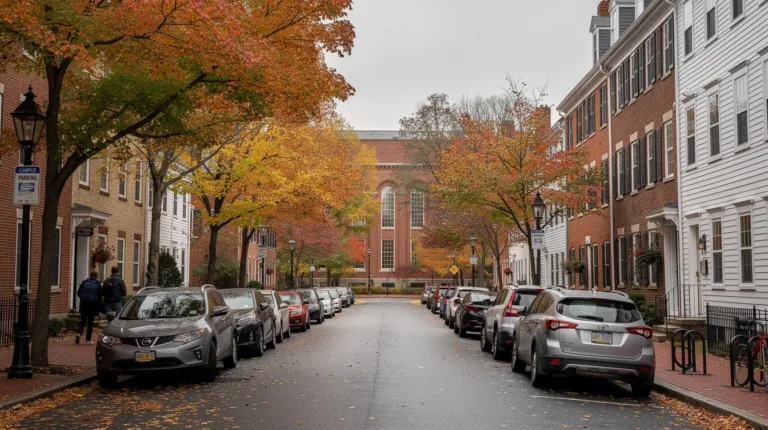
New Haven drivers follow statewide Connecticut rules, but local risk factors like dense traffic near Downtown, I-91, I-95, and campus areas influence how insurers price policies. Drivers in New Haven generally pay higher rates than the state average due to urban density.
Here is what Connecticut law requires and what is optional:
|
Coverage Type |
Minimum Required |
Notes |
|---|---|---|
|
Bodily Injury Liability |
$25,000 / $50,000 |
Per person / per accident |
|
Property Damage Liability |
$25,000 |
Per accident |
|
Combined Single Limit (alternative) |
$50,000 |
Covers both BI and PD |
|
UM/UIM |
$25,000 / $50,000 |
Required statewide |
|
Comprehensive & Collision |
Not required by law |
Often lender-required |
FinanceBuzz’s June 2026 Connecticut comparison reported sample averages of $896 per year for minimum coverage and $1,829 per year for full coverage auto insurance. These are dated statewide comparisons, not New Haven quotes or guaranteed prices. Actual costs vary by driver, vehicle, coverage and insurer, making accurate comparison important.
Higher limits such as 50/100 or 100/300 might better match typical New Haven claim costs and medical expenses. Higher liability limits and adding collision or comprehensive coverage generally increase costs, but they also reduce your out-of-pocket exposure after a serious crash.
SR-22 or other financial responsibility filings follow specific Connecticut DMV, court, or requesting-state instructions. Not every situation triggers the same filing. See Connecticut DMV compliance resources for official guidance, or review /sr22-insurance/ for general background.
This site offers personal auto comparison quotes only. Separate needs such as business insurance, commercial auto, or life insurance are independent product lines handled elsewhere in the market.
New Haven Households, Students, and Who Must Be Listed on the Policy
Many New Haven households include students cycling in and out, roommates, visiting family, or partners. Each person who lives in the home and regularly has access to the vehicles should be listed on the policy, even if they do not own the car or pay the loan.
In Connecticut terms, a household driver is anyone residing at the address who has recurring use of or access to an insured vehicle. In New Haven, this commonly includes students living off campus on streets like Whalley Ave, Chapel St, or Orange St who share an apartment and vehicles.
There is a real difference between an occasional guest driver (a friend borrows the car once for an airport run) and someone with regular access (multiple times a month, keys available, standing permission). Failing to list regular household drivers can lead to claim issues if an undisclosed driver causes a crash.
Independent agents provide personalized service tailored to client needs, including free policy reviews for clients. Review your list of licensed people living in the home each semester or at least once a year, especially when students leave for or return from New Haven colleges. Contact an agent when household status changes so the policy can be updated accurately.
Students Leaving a Car at Home vs. Bringing It to School
Whether a student garages their car in New Haven or leaves it at a parent’s home in another Connecticut town changes rating, garaging, and sometimes required listed drivers.
The primary garaging address is where the car is kept overnight the majority of the year. That could be a driveway in East Rock, a paid lot near Downtown, or a parent’s home in a nearby town like North Haven or Naugatuck.
Consider these common scenarios:
-
Student without a car in New Haven: A Yale or Gateway student who occasionally drives a parent’s vehicle during breaks may stay on the parent’s policy, as long as the car sleeps at the parent’s home most nights.
-
Car stays at a family home in Meriden, Milford, or West Haven: If the student visits and drives on weekends but the car stays at the family home most nights, that address is usually still the primary garaging location.
-
Student brings a car to New Haven housing: A student from another Connecticut city who moves onto Howe St or near Long Wharf and brings their car should have the New Haven address listed as the garaging location.
Some insurers may offer a student-away-at-school discount when a student lives more than a certain distance from home without regular access to the car, but availability varies. Report the correct school city and garaging address to avoid disputes if a claim occurs near campus. Review /minimum-car-insurance/ for basic legal requirements before making changes.
Borrowed Cars, Roommate Vehicles, and Non-Owner Eligibility
In New Haven’s student and renter-heavy neighborhoods, many people regularly borrow a parent’s, roommate’s, or partner’s car instead of owning their own. Personal auto insurance usually follows the car first, then the driver, but details vary by policy.
Regular use of another person’s vehicle means driving a roommate’s sedan to class several times a week or using a partner’s car for weekly grocery trips. This is different from truly occasional borrowing.
Non-owner car insurance is designed for licensed drivers without a car who do not have regular access to a specific vehicle. Learn more at /non-owner-insurance/. A person with regular access to a roommate’s or parent’s vehicle is often not eligible for true non-owner status and should usually be rated on that vehicle’s policy instead.
Student situations to watch for:
-
A Yale graduate student regularly using a lab partner’s hatchback
-
An SCSU student driving a parent’s SUV every weekend
-
A young professional with keys to a roommate’s sedan
These patterns should be disclosed to whichever insurer covers the vehicle. Misrepresenting access to stay on a cheaper non-owner policy can create serious problems during a crash investigation.
Overnight Garaging in New Haven: Street Parking, Garages, and Storage
New Haven neighborhoods differ significantly. Downtown, Wooster Square, Fair Haven, and The Hill have different parking realities than some suburban parts of New Haven County, and insurers rate accordingly. Insurance providers evaluate multiple personal and geographic risk factors when calculating quotes.
Overnight garaging means where the car usually sits from late evening to early morning. Examples:
-
A car kept on-street on Elm St near the Green
-
A vehicle in a gated lot on Edgewood Ave
-
A private garage in Westville
Theft and vandalism experience can affect insurance rates. Where you park overnight is one part of the risk information an insurer may consider, alongside the vehicle, coverage and driving record. Accurately listing New Haven as the garaging city matters for underwriting.
Do not list a low-risk town as the garaging address if the car actually lives in a higher-traffic New Haven neighborhood. If an investigation shows the car has been garaged in the area long-term, it may complicate claims. Check Connecticut DMV continuous insurance and storage rules for vehicle storage or temporary non-use scenarios. Update your policy any time you move apartments, start renting a paid garage, or shift from campus parking to full-time street parking.
Personal Use vs. Delivery, Rideshare, and Gig Work in New Haven
Many New Haven drivers use their cars for app-based deliveries, rideshare, or side jobs, especially around Downtown, Yale, and the Union Station area. Personal use covers commuting to work at Yale-New Haven Hospital, driving to class at Gateway, grocery trips, social visits, and typical family errands.
Food delivery and rideshare often require separate coverage arrangements or endorsements beyond a standard personal policy. These commercial activities usually fall under business or commercial auto classifications, which are different products than the personal auto comparison quotes offered here.
Failing to disclose delivery or rideshare use may limit coverage if a crash happens while transporting a paid passenger or delivering food in New Haven traffic. Drivers who regularly drive for pay should ask their current insurer what is and is not covered. Personal policies from this site are meant for non-commercial use, and rating questions about commuting distance, annual mileage, and occasional business trips should be answered accurately when requesting a quote at /quote/.
Example: A New Haven Campus Household and How Coverage Might Be Structured
This section walks through a labeled hypothetical to illustrate listing drivers, garaging, and possible non-owner usage. No premiums are quoted.
Household A (2026): A two-bedroom apartment near Chapel St with three residents:
-
Resident 1 – Yale undergraduate, no car. Rarely drives. If they do not have regular access to any single vehicle, they might explore non-owner coverage if they need proof of insurance for certain reasons.
-
Resident 2 – Gateway Community College student, owns a compact car. The car is parked on-street in New Haven and should be rated with a New Haven garaging address. This student is the primary named driver on the policy.
-
Resident 3 – Young professional working Downtown. Occasionally borrows the compact car once or twice a month for weekend trips. The insurer should be informed about this driver’s occasional use; they may be listed or rated depending on company rules.
If Resident 3 begins using the compact car to commute five days a week, they become a regular user and should be clearly listed on the vehicle’s policy. The teaching points: correct primary garaging in New Haven, clear driver listings, realistic commuting versus pleasure-use descriptions, and honest disclosure of campus living situations.
Comparing New Haven Auto Insurance Quotes the Right Way
ConnecticutAutoInsurance.com helps New Haven drivers compare personal auto quotes online at /quote/ and by phone at (844) 399-1313. Independent agencies can compare rates from participating carriers, and comparing at least three quotes can help you find a suitable insurance rate.
Meaningful comparisons require using the same liability limits, deductibles, and coverage types across all quotes. Start with at least the Connecticut minimum and then test higher liability levels to see the difference. Review /minimum-car-insurance/ for background.
Several factors affect what you will pay:
-
Clean driving records usually help secure lower insurance rates
-
Younger drivers face higher premiums compared to older, more experienced drivers
-
Drivers with lower credit scores generally face higher premiums compared to those with good or excellent credit
-
Using telematics can lower premiums by tracking driving behavior
-
Drivers can bundle auto and home insurance for discounts
-
Insurify’s New Haven comparison, updated September 10, 2026, reported a sample full-coverage average of $263 per month; this is a comparison benchmark, not a quote from this agency
Each carrier will review driving histories, claims, garaging in New Haven versus surrounding towns, and household drivers before approving applications. No acceptance, rate, or timeline is guaranteed; all coverage decisions are subject to underwriting review.
Same-Limit New Haven Quote Checklist
Use this checklist before requesting quotes at /quote/ to ensure apples-to-apples comparisons:
-
[ ] Pick one liability limit set (e.g., 50/100/50 or $100,000 CSL) and use it with every carrier
-
[ ] Fix one UM/UIM limit (at least 25/50) and one medical payments amount across all quotes
-
[ ] Choose a single collision and comprehensive deductible ($500 or $1,000) and keep it identical
-
[ ] List all household drivers and regular users of each vehicle
-
[ ] Confirm the correct New Haven garaging address and ZIP code
-
[ ] Accurately describe daily commute distance and annual mileage
-
[ ] Note any student-at-school situations, shared cars, delivery or rideshare usage
-
[ ] Include accident and violation history within the last 3–5 years
-
[ ] Save each quote summary and coverage page for side-by-side comparison
-
[ ] Call (844) 399-1313 with clarifying questions before making a final decision
What to Do After a Crash or Fire in New Haven
Knowing local steps ahead of time helps New Haven drivers handle collisions, fires, or vandalism efficiently.
-
Prioritize safety and call 911 if there is any injury or significant property damage. Cooperate with the New Haven Police Department for an official report.
-
Request crash reports later through the New Haven Police Department reports portal.
-
Vehicle fires or serious hazards may involve the New Haven Fire Department.
-
Exchange information with other parties, photograph damage, and note weather and road conditions near I-95, Route 34, or local intersections.
-
Notify your insurer as soon as reasonably possible. Claim handling, rental arrangements, and repair options vary by carrier.
If an undisclosed regular driver or misreported garaging situation comes to light during a claim, it can complicate outcomes. Keep policy details current.
New Haven and Haven County Resources, Nearby Cities & How to Get a Quote
New Haven drivers can pair professional guidance with official state resources. An independent insurance agency can help compare policies from participating companies and explain available coverage options. Ask your agent to review limits, deductibles, household drivers and regular vehicle use before choosing a policy.
Key resources:
-
Connecticut Insurance Department – auto insurance consumer page for coverage basics, complaint information, and consumer rights
-
Connecticut DMV locations and office hours for licensing, registration, and service-specific offices
-
/cheap-car-insurance/ for cost-conscious strategies
-
/sr22-insurance/ for financial responsibility filing information
-
/non-owner-insurance/ for drivers without a car
Nearby city pages for readers with ties across the region:
Start a New Haven personal auto comparison at /quote/ or call Drivers Insurance Agency, Inc. at (844) 399-1313 to review household drivers, student situations, and shared-vehicle questions.
Frequently Asked Questions About New Haven Auto Insurance
Do New Haven college students always need their own auto policy?
Many full-time students remain on a parent’s Connecticut policy when the parent owns the car and the car is primarily garaged at the parent’s home. When a student buys their own car, moves it to New Haven as the primary garaging location, or lives year-round in city housing, a separate policy in the student’s name may be more appropriate. Families should review addresses, garaging, and listed drivers with their agent whenever a student moves into or out of New Haven housing.
Can I get non-owner insurance in New Haven if I often drive my roommate’s car?
Non-owner policies are usually meant for drivers who do not own a vehicle and do not have regular access to any single car. If you drive a roommate’s or partner’s vehicle weekly, keep a set of keys, or use it for most errands, insurers may consider that regular access and expect you to be listed on that vehicle’s policy instead. Visit /non-owner-insurance/ for more context and describe your exact driving pattern before assuming you qualify.
What happens if I keep my old town as the garaging address but move into New Haven?
Garaging should reflect where the car actually stays overnight most of the year. Keeping an old, lower-risk town on the policy when the vehicle now lives in New Haven can create misrepresentation concerns. If a crash occurs and an investigation shows the car has been garaged in New Haven long-term, it may complicate claims. Update the garaging address as soon as you move into a New Haven residence.
Does every DUI in New Haven require an SR-22 filing?
SR-22 or similar financial responsibility filings depend on the exact Connecticut DMV or court requirements and, in some cases, the rules of another requesting state. Not every DUI automatically has the same filing length or conditions. Confirm up-to-date requirements directly with the DMV compliance page and review /sr22-insurance/ for general educational information.
Is my New Haven auto quote from this site an offer of coverage?
A quote is an estimate based on information provided and is not a binding offer or guarantee of insurance. Coverage only starts once an insurer reviews the application, approves it, and issues a policy with a specific effective date. Review any final policy documents carefully, ask questions about drivers, garaging, and usage, and keep information updated over time.